[ . BACK to DARUMA MUSEUM TOP . ]
. hashi 箸と伝説 Legends about chopsticks .
:::::::::::::::::::::::::::::::::::::::::::::::::::::::::::::::::::::::::::::::::::::::::::::::::::::
Chopsticks (hashi, ohashi, o-hashi お箸)
They make a great present for a student during exam times.
 Detail of the top
箸の頭に福だるまの絵
 Photo from my friend Ishino.
:::::::::::::::::::::::::::::::::::::::::::::::::::::::::::::::::::::::::::::::::::::::::::::::::::::
A loving couple with Daruma Chopsticks
福だるま夫婦セット
 © 箸久 Hashi Kyuu
:::::::::::::::::::::::::::::::::::::::::::::::::::::::::::::::::::::::::::::::::::::::::::::::::::::

 達磨箸~七転び八起き
- reference source : ameblo.jp/kyomiyagekikuya... -
達磨箸~七転び八起き
- reference source : ameblo.jp/kyomiyagekikuya... -
:::::::::::::::::::::::::::::::::::::::::::::::::::::::::::::::::::::::::::::::::::::::::::::::::::::
Box to keep the chopsticks, hashibako
箸箱 DARUMA だるま(溜塗り)
25 cm long, made from natural wood and lacquer finish
 source : SIKKIYA.
The same laquer store also sells five individual serving plates (meimei sara) named DARUMA
「銘々皿だるま(溜塗り)
:::::::::::::::::::::::::::::::::::::::::::::::::::::::::::::::::::::::::::::::::::::::::::::::::::::
First chopsticks for a child
from Temple Kanshin-Ji 観心寺 in Osaka
 大阪府河内長野市にある高野山真言宗の寺院
:::::::::::::::::::::::::::::::::::::::::::::::::::::::::::::::::::::::::::::::::::::::::::::::::::::
August 4, day of the chopsticks
hashi no hi 箸の日, 8月4日

This is a play on words for the numbers
hachi 八 (hashi) number eight and
shi 四, number four.
The fourth day of the eighth month.
:::::::::::::::::::::::::::::::::::::::::::::::::::::::::::::::::::::::::::::::::::::::::::::::::::::
Rikyuu bashi, Rikyu hashi 利休箸 chopsticks "a la Rikyu, the Tea Master"
made from Yoshino Sugi trees, both sides are rounded to pick up food.
Sen no Rikyu used these wooden chopsticks for his tea ceremony meetings. The wooden pattern (masame 柾目) is all aligned n one direction and they have a special fragrance.
中平両細 the middle is flat, both sides are thin. This means, both sides can be used for eating, but one side is for man to eat, one side is for the deity (kami 神) to partake in the food. During festive occasions, the deities were always part of the common feast.
Rikyu kezuribashi 利休けずり箸
http://www.clubtable.com/shop/hasikatu/rikyu/rikyu.htm
CLICK here for PHOTOS !
吉野杉利休箸
”ハレの箸”と”ケの箸”
hare no hashi, ke no hashi
chopsticks for a special festive occasion, used on few days a year
両口箸 chopsticks with two "sides for the mouth"
chopsticks for everyday , 片口箸 chopsticks with "one side for the mouth"
other types of chopsticks

丁六 choo-roku, square chopsticks
小判 koban, oval chopsticks
元禄 genroku: with six corners, named after the Genroku period of
Edo.
天削 tenkezuri, top is shaves
丸箸 marubashi, round chopsticks
For different dishes chopsticks from Bamboo with the node at different places are used.
These chopsticks are important for the
Kaiseki food served at the Tea Ceremony.
motobushi 元節
nakabushi 中節 node in the middle
tomebushi 留節 node at the end
There are 4 styles of chopsticks used during Tea Kaiseki
- Nakabushi, Motobushi, Ryoboso, and Sugibashi.
Each style is distinguished according to the course and the type of dishes served. Nakabushi is used for grilled fish and hasun, which is equivalent to small shared plates much like tapas.
Motobushi is used for shisakana, which are simple snacks that accompany alcohol.
Ryoboso chopsticks are tapered at both ends and are used to serve many of the courses of the tea ceremony - such as the azukebachi (much like a tagine servingware used to serve simmered seafood and vegetables), shisakana, and pickles.
Sugibashi is shorter and thinner than the rest, which made them perfect to serve condiments and smaller dishes.
- source : hachikari.seesaa.net -

nakabushi 中節 node in the middle
- photo reference : gallery-yuu.com -
.......................................................................
waribashi 割り箸; 割箸 disposable chopsticks
Wegwerf-Essstäbchen
waribashi uri 割り箸 売り selling disposable chopsticks in Edo
Chopsticks made from bamboo used to be washed after use and used again. Around190 years ago, stalls selling grilled eel became popular in Edo and their owners found it cumbersome to clean the chopsticks, it was also a problem of cleanliness for a roadside vendor.
So they developed
hiki waribashi 引割箸, the fore-runners of our present-day "use and throw away" chopsticks. They were in use in Edo, Kyoto and Osaka since around 1818.
Chopsticks made from bamboo used to be washed after use and used again. Around 190 years ago, stalls selling grilled eel became popular and their owners found it cumbersome to clean the chopsticks, it was also a problem of cleanliness for a roadside vendor.
So they developed hiki waribashi 引割箸, the fore-runners of our present-day "use and throw away" chopsticks.
They were in use in Edo, Kyoto and Osaka since around 1818.
. chin shoobai 珍商売 strange business in Edo .
hashishi, hashi shi 箸師 making chopsticks
The material used apart from bamboo was wood from
kuwa 桑 mulberry tree and enju 槐 Japanese pagoda tree
sugi 杉 cedar and hinoki 桧 cypress
yanagi 柳 willow tree and matsu 松 pine tree
kuri 栗 sweet chestnut tree and kaki 柿 persimmon tree.
Bamboo chopsticks were often covered with urushi 漆 laquer to make them last even longer and look nicer.
The craftsmen making chopsticks were divided in two:
making the original form from wood -
kijishi 木地師
working on the smooth surface of the chopsticks -
nushi 塗師
The surface of the wood was softened with a small kanna 鉋 plane. Thus they got a lot of small wood chips. These were burned in summer to ward off mosquitos, who do not like the smoke.
杉匂う蚊遣り箸屋の削りくづ
sugi niou ka yari hashiya no kezurikuzu
the smell of cedar
from the chopstick maker's wood chips
wards off mosquitoes

江戸木箸専門店 -
Daikokuya 大黒屋
Edo Kibashi 江戸木箸
Edo Wooden Chopsticks Shop
- source : kaumo.jp/topic -
- quote -
Edo Kibashi chopsticks have been created by the hands of Tokyo craftspeople since the beginning of the Taisho Period (1912-1926) roughly 100 years ago. Edo Kibashi use carefully selected high-grade wood (ebony, red sandalwood, ironwood, Japanese box-trees, maple, etc.), which craftspeople plane by hand.
With a focus on ergonomics, they are designed for easy grip and pragmatic functionality. In the early stages of their development, a square design called
dobari, or stretched trunk, was the standard form. However, the craftspeople recognized that every person has a different sense of grip, with varying preferences for the length, width and weight of their chopsticks, and Edo Kibashi craftspeople began to manufacture chopsticks in various shapes, including squares, pentagons, hexagons, heptagons, octagons and simple circles. With so many different features and characteristics to choose from, it’s easier for the purchaser to select chopsticks that fits his or her preference. Expressed through design, this kind of concern for the user’s needs is what makes Edo Kibashi so special.
Takeda Katsuhiko,
owner of the
Daikokuya Edo Kibashi store, originated the name Edo Kibashi in 1999. Daikokuya has inherited the history and tradition of Edo Kibashi, and continues to ambitiously develop designs that pursue the utmost in utility.
- source :japan-brand.jnto.go.jp/eng -
. Edo craftsmen 江戸の職人 shokunin .
. zooge no hashi 象牙の箸 ivory chopsticks .
.......................................................................

The original Ukiyo-E is a beauty blowing a glass ball poppen, which the designer for this shop has re-done to suit his merchandise.
- reference : blog.goo.ne.jp/caba_note/e -
Popen o fuku musume ポペンを吹く娘 Girl blowing a "Poppen" glass
. 喜多川歌麿 Kitagawa Utamaro .
There are also chopsticks with small Ukiyo-e design.
 . Join the Ukiyo-E friends on facebook ! .

:::::::::::::::::::::::::::::::::::::::::::::::::::::::::::::::::::::::::::::::::::::::::::::::::::::
 Shinkansen chopsticks
 新幹線のお箸
In various colors
Shinkansen chopsticks add dash of otaku goodness to lunch
By RICK MARTIN, Japan Times
One of the more popular items to come out of Japan last year was Kotobukiya's "Star Wars" Light Saber Chopsticks, which made the rounds on popular tech blogs such as Gizmodo, Wired and TechCrunch's CrunchGear. And while they might not have "the force" (nor the brand power) of any "Star Wars" product, Japanese company Daiwa Toy (www.daiwatoy.co.jp) has a similar set of chopsticks that will be sure to make a splash among Japanophiles and densha otaku (train geeks) the world over.
The shinkansen chopsticks — also known as the "
Chopstick Express" — take the form of Japan's famous bullet trains. If you've ever taken the shinkansen, it's quite possible that you bought a boxed lunch to enjoy during your trip. Can you think of a more fitting pair of chopsticks with which to dine on a train? I don't think so.
Unlike the actual shinkansen, these chopsticks are not divided up into multiple cars, but rather each chopstick is crafted into one long, sleek car that gives the impression of a train rocketing down the tracks, a mere blur to the human eye as it zooms past. Because the form of a chopstick tapers off into a narrow tip, the illusion of perspective is easily created, making this miniature replica appear deceptively long.
For extra dramatic effect the package design includes railway tracks underneath each train, as well as a tunnel near the bottom out of which the chopsticks appear to be racing out of. While many people will buy these shinkansen chopsticks with the intention of using them to eat, the elaborate and beautiful package makes an excellent display case should you opt to show off your pair on the mantle.
Included among the varieties of shinkansen are the 0-Series train. That was the first shinkansen to be introduced, in 1964, and it was only retired in 2008. The recent N700-Series train is also available, this being the latest model to hit the tracks just three years ago. According to Daiwa Toy, the N700 chopsticks are 21 cm long and other models will be comparable. In total, four different kinds of shinkansen will be produced, giving train fans and collectors a sizable collection.
For anyone who would like to pick up a pair of their very own shinkansen chopsticks they can be purchased at Yamashiroya in front of JR Ueno Station, but you can expect to see them on sale in more and more station kiosks in the future.
Alternatively, if your Japanese is up to snuff, you can buy them online at (www.eki-net.biz/j-retail/g109001).
source : Japan Times, September 8, 2010
:::::::::::::::::::::::::::::::::::::::::::::::::::::::::::::::::::::::::::::::::::::::::::::::::::::::::::::::::::::::::::
Chopsticks - A Cultural and Culinary History
Author: Q. Edward Wang

Chopsticks have become a quintessential part of the Japanese, Chinese and Korean culinary experience across the globe, with more than one fifth of the world's population using them daily to eat. In this vibrant, highly original account of the history of chopsticks, Q. Edward Wang charts their evolution from a simple eating implement in ancient times to their status as a much more complex, cultural symbol today. Opening in the Neolithic Age, at the first recorded use of chopsticks, the book surveys their practice through Chinese history, before exploring their transmission in the fifth century to other parts of Asia, including Vietnam, Korea, Japan and Mongolia. Calling upon a striking selection of artwork, the author illustrates how chopstick use has influenced Asian cuisine, and how, in turn the cuisine continues to influence chopstick use, both in Asia and across the globe.
'Questions you would have never thought to ask are expertly answered in this timely volume. The pages and chapters bring to light unique facets of Chinese life that are usually reserved for interrogation by focusing on the Chinese written language as a special East Asian 'cultural sphere'. By addressing chopsticks Wang neatly augments that sphere by adding culinary history to the cultural mix.' Benjamin A. Elman, Princeton University, New Jersey
'With just the right dose of theorization, this lucidly written, neatly organized, astutely conceived and studiously researched book delivers to the table a well-presented smorgasbord of a general history of chopsticks.' On-cho Ng, Pennsylvania State University
'This is a highly readable and well-presented book of material and cultural history, providing a whole picture of chopsticks over one and a half billion people in Asia and elsewhere use every day.' Di Wang, Texas A & M University
'This is a fascinating work of cultural history, and may be the first time that chopsticks have been the subject of historical and cultural research of this calibre. Professor Q. Edward Wang discusses the unique cultures of China, Korea, Japan and Vietnam through the origins, uses and culinary customs of chopsticks. He also examines East Asian lifestyles and societies through the use of chopsticks as gifts, symbols and metaphors. The scope of this work crosses the boundaries of history, society and culture.'
Ge Zhaoguang, Fudan University, China
- quote - amazon com-
:::::::::::::::::::::::::::::::::::::::::::::::::::::::::::::::::::::::::::::::::::::::::::::::::::::::::::::::::::::::::::
Aomori 青森県
odeshiko sama オデシコ様
deeshiko デエシコ -
odaishiko sama オダイシコ様
Its festival is on the 24th day of the 10th lunar month.
As a food offering
nabedango ナベダンゴ meat balls are prepared, with three pairs of special chopsticks made from wood of the peach tree and
kaya 茅 miscanthus. One pair must be longer than the other two.
. Sake 酒 rice wine for regional rituals .
:::::::::::::::::::::::::::::::::::::::::::::::::::::::::::::::::::::::::::::::::::::::::::::::::::::::::::::::::::::::::::
Essen mit Stäbchen – die feine asiatische Art
Essstäbchen wurden in China bereits um 1500 v. Chr. verwendet und kamen zusammen mit dem Buddhismus im 7.Jhd. nach Japan. Nicht nur die Stäbchen, sondern auch viele Speisen wurden aus China übernommen und dann im Laufe der Zeit an den japanischen Geschmack angepaßt, insbesondere die vielen Versionen von Nudelsuppen. Ramen.
Das Essen ist immer so zubereitet, daß man es einfach mit den Stäbchen aufnehmen kann.
Japanische Suppe wird in handlichen Schalen zum Trinken serviert und die Einlagen mit den Stäbchen herausgefischt.
Für einen Eintopf, an dem sich alle bedienen, gibt es ein Paar besonders lange Stäbchen für alle zum Umrühren und Herausholen einer individuellen Portion (sashibashi). Gegessen wird dann mit den eigenen Stäbchen.
Essstäbchen werden aus den verschiedensten Materialien hergestellt, meist aus Holz oder Bambus mit Bemalungen oder farbig lackiert, neuerdings aus Kunststoffen oder wertvolle aus Elfenbein und Edelmetallen. Das eine Ende der Stäbchen, die immer in einem Paar mit zweien geliefert werden, ist etwas dünner und so erkennt man deutlich, welche Seite in die Hand gelegt wird und welche für die Speisen vorgesehen ist.
Die Gegend um Wajima ist besonders bekannt für die Herstellung von Lackstäbchen in allen Größen und mit vielen Mustern. Für Ehepaare gibt es ein Set von unterschiedlich großen Stäbchen mit dem gleichen Muster (meotobashi). Für Kinder werden beliebte Manga-Figuren aufgedruckt, so daß zu Hause jeder seine eigenen Stäbchen leicht erkennen kann.
Im Restaurant werden Einmalstäbchen aus Holz in Papierhüllen ausgelegt. Sie hängen an der hinteren Seite zusammen und man erfaßt sie zum Auseinanderziehen vor der Brust so, daß die Griffseite vom Benutzer nach außen weist, stemmt dann die beiden Stäbchen leicht zur Seite bis sie auseinanderknicken. Nun sind sie gebrauchsbereit. Die Papierhülle kann man geschickt zusammenfalten und als Auflage für benutzte Stäbchen verwenden. Nach dem Essen steckt man die Stäbchen dann halb in die Hülle zurück und knickt den vorderen Teil um zur Anzeige, daß dieses Paar benutzt wurde.
Umweltbewußte Menschen gehen mit ihren eigenen Stäbchen aus (maihashi). Für diese eigenen Stäbchen gibt es kleine Kästen zum Aufbewahren. Auch beim Lunchpaket stecken die eigenen Stäbchen in einer Seitentasche.
Der große Schrein in Suwa in Nagano verkauft Amulette mit speziellen Essstäbchen (kajikibashi), die zum Essen von Wildfleisch verwendet werden sollten (kajiki no men), um sich keiner spirituellen Verunreinigung zu unterziehen, da ein frommer Buddhist kein Fleisch von vierbeinigen Tieren essen darf.
Andere Tempel verkaufen Amulette mit einem Satz Essstäbchen für ein Kleinkind, das zum ersten Mal mit Stäbchen essen darf, denn dies ist ein wichtiger Tag im Wachstum eines Kindes. Oma und Opa bringen diese Stäbchen zum Festessen der Familie mit.
Wenn nicht in Gebrauch, liegen die Stäbchen mit der spitzen Seite auf einer kleinen Stäbchenbank, damit sie das Tischtuch nicht beschmutzen. Diese Stäbchenbänke sind oft kleine Kunstwerke aus den verschiedenartigsten Materialien mit allerlei lustigen Motiven; es sind beliebte Sammlerstücke und Reiseandenken.
Vor dem Essen beugt man leicht den Kopf und sagt „Itadakimasu“ (ich nehme daran teil) und nach dem Essen, wenn die Stäbchen ordentlich abgelegt sind „gochisoosama“ (es war ein Festessen, „chisoo“ bedeutet eigentlich „herumlaufen“, weil der Gastgeber sich viel Mühe gemacht hat und herumgelaufen ist, um alle frischen Zutaten zu bekommen).
Die Reisschale und die Suppenschale sind „beweglich“ und dürfen immer bis zum Mund angehoben werden, alle anderen Schalen und Schälchen bleiben stehen und man nimmt die Bissen mit den Stäbchen auf. Die Suppe ist keine Vorspeise, sondern wird abwechselnd mit den anderen Speisen getrunken.
Für Sashimi und Tempura stehen kleine Schälchen mit Sauce bereit, in die man noch nach Geschmack geriebenes Wasabi oder geriebenen Rettich hineinrührt. Die einzelnen Bissen werden erst in die Sauce getaucht und dann zum Mund geführt.
Sushi darf auch mit der Hand aufgenommen und in die Sauce getunkt werden.
Die hohe Kunst mit Stäbchen zu essen
Essstäbchen sind einfach nur eine Verlängerung der Finger zum Erfassen von Speisen ... also keine Angst, es ist ganz einfach. Das japanische Essen wird immer in mundgerechten Happen serviert, es besteht also keine Notwendigkeit, etwas zu schneiden, zu zerkleinern oder aufzuspießen. Die Reisschale ist eine „bewegbare Schale“ und kann als eine sicher „Unterlage“ dienen, indem ein Bissen zunächst mit den Stäbchen vom Teller einen kurzen Weg bis über die Reisschale transportiert wird, die man mit der linken Hand nahe an den aufzugreifenden Happen bringt. Nun führen beide Hände den Bissen über der Schale bis in sichere Mundnähe, und wenn er doch unterwegs runterfallen sollte, dann nur auf den Reis ... es ist also nichts passiert und er kann jetzt zusammen mit dem Reis aus der Reisschale gegessen werden.
Das eine Stäbchen ist „unbeweglich“ und wird zwischen den Ring- und Mittelfinger der rechten Hand eingeklemmt. Dabei kommt das dickere Ende in die Hautfalte zwischen Daumen und Zeigefinger zu liegen. Das andere Stäbchen ist „beweglich“ und wird mit Daumen und Zeigefinger zum Greifen gelenkt.
Auf keinen Fall die Stäbchen senkrecht in den Reis stecken, das wird nur bei Trauerfeiern zum Gedenken des Verstorbenen gemacht.
Kinder lernen das Essen mit Stäbchen schon recht früh, nachdem sie mit einem Löffel anfangen, Speisen zum Mund zu schaufeln. Sie lernen auch die verschiedenen Tischmanieren im Zusammenhang mit Stäbchen.
Kein Aufspießen von Speisen, auch wenn das manchmal bei rutschigen runden Kartoffelstücken der einfachste Weg wäre!
Wenn ein Bissen im Mund verschwunden ist, sollten die Stäbchen wieder auf ihren Parkplatz gelegt werden, bis der Bissen durch langsames Kauen richtig genossen ist. Die Stäbchen immer mit der dickeren Seite nach rechts auflegen.
Nicht in einer Speisenschale herumstochern, um eine besonders leckeren Bissen herauszufischen. Immer eins nach dem anderen von oben nach unten abtragen.
Nicht mit den Stäbchen wie mit einem Zeigestab herumfuchteln, um auf einen Gegenstand oder eine Person im Zimmer aufmerksam zu machen. Auch nicht mit den Stäbchen einen kleinen Speisenteller in die Nähe ziehen, dazu sind die Hände da.
Gabi Greve
.......................................................................
usturibashi 移り箸 "wandering chopsticks"
from one formaly food tray to another, hovering over the dishes
:::::::::::::::::::::::::::::::::::::::::::::::::::::::::::::::::::::::::::::::::::::::::::::::::::::
H A I K U
kigo for the New Year
futobashi 太箸 (ふとばし) "thick chopsticks"
haramibashi 孕み箸(はらみばし) chopsticks thick in the middle
yanagibashi 柳箸(やなぎばし)chopsticks from willow wood
 iwaibashi 祝箸(いわいばし)"festive chopsticks"
They are made from wood of the sacred willow tree. They are thick in the middle, to represent two full bags of rice. The ends are thinner for eating, one side for the human, one side for the deities to participate of the first meal.
mochibashi 餅箸(もちばし) chopsticks for mochi
hashizutsumi 箸包(はしづつみ) wrapping chopsticks
hashigami 箸紙(はしがみ) wrapping paper for chopsticks
It is usually very colorful.
zoonibashi 雑煮箸(ぞうにばし)chopsticks for zoni soup
okanbashi, o-kanbashi お羹箸(おかんばし)chopsticks for New Year food
made from wood, round at both sides. Sometimes made from green bamboo
. . . CLICK here for Photos !
KAN means : hot soup.
.....
New Year's Soup (zooni)
:::::::::::::::::::::::::::::::::::::::::::::::::::::::::::::::::::::::::::::::::::::::::::::::::::::
白くなる塗り箸の先脳の中
shirokunaru nuribashi no saki noo no naka
becoming white -
the tip of my chopsticks
the inside of my brain
Ishigaki Setsu 石垣サツ
割箸で背中を掻いているわたし
waribashi de senaka o kaite iru watashi
with disposable chopsticks
I
scratch my back
Tokizane Shinko 時実新子
source : www.ami-yacon.jp
Tr. Gabi Greve
:::::::::::::::::::::::::::::::::::::::::::::::::::::::::::::::::::::::::::::::::::::::::::::::::::::
 割箸の毳(けば)雪国のさびしさよ
waribashi no keba yukiguni no sabishisa yo
the fluff of
disposable wooden chopsticks ...
loneliness in the Snow Country
Tomo-oka Shikyo . Tomooka Shikyoo 友岡子郷 (1934 - )
Maybe he was trying to eat some soba noodle soup at a cheap shop near the station in Hokkaido. When he realized he could not break the chopsticks in one fine cut, he became aware of his own sticking to details.
:::::::::::::::::::::::::::::::::::::::::::::::::::::::::::::::::::::::::::::::::::::::::::::::::::::
Wakasa Laquer 若狭の漆
Chopsticks from Wakasa with Daruma san
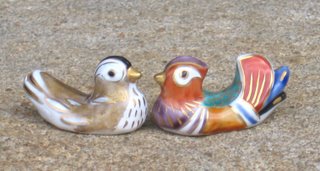
Chopstick rest 箸置き hashioki with Daruma
kajikibashi 鹿食箸 chopstsicks to eat "mountain meat" from Suwa Shrine
WASHOKU ... Tableware and Tools
. NEW YEAR - KIGO for HUMANITY
:::::::::::::::::::::::::::::::::::::::::::::::::::::::::::::::::::::::::::::::::::::::::::::::::::::::::::::::::::::::::::
. hashi 箸と伝説 Legends about chopsticks .
[ . BACK to DARUMA MUSEUM TOP . ]
[ . BACK to WORLDKIGO . TOP . ]
- #chopsticks #hashi #ohashi -
:::::::::::::::::::::::::::::::::::::::::::::::::::::::::::::::::::::::::::::::::::::::::::::::::::::::::::::::::::::::::::





 Posts
Posts